
Feeling constantly tired, struggling with brittle nails, or noticing hair loss? These could be more than just signs of stress—they might point to a vitamin deficiency. In today’s fast-paced world, even seemingly balanced diets can fall short of delivering all the essential nutrients your body needs. Recognizing the symptoms of low vitamins early can prevent long-term health complications and restore your energy, immunity, and overall well-being.
From subtle fatigue to visible skin changes, your body sends clear signals when it’s lacking key nutrients. This comprehensive guide dives deep into the signs of vitamin deficiency, the most common vitamin deficiencies, and how to identify them through diet, lifestyle, and medical awareness. Whether you’re dealing with unexplained weakness or just want to fine-tune your nutrition, understanding these warning signs is the first step toward optimal health.
Vitamin Deficiencyvitamin deficiency symptoms Symptoms: What Your Body Is Trying to Tell You
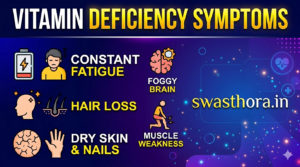
Vitamin deficiencies don’t always announce themselves with dramatic symptoms. Often, they creep in slowly, masked by daily stress or poor sleep. But your body is remarkably communicative—if you know what to look for.
Common vitamin deficiency symptoms include persistent fatigue, frequent infections, slow wound healing, and mood changes like irritability or depression. You might also notice physical changes such as dry skin, brittle nails, hair thinning, or muscle cramps. These are not just cosmetic concerns—they’re red flags that your body isn’t getting the fuel it needs.
Early Warning Signs to Watch For
- Constant tiredness despite adequate sleep
- Brittle or spoon-shaped nails
- Hair loss or dull, dry hair
- Cracks at the corners of the mouth (angular cheilitis)
- Night blindness or blurred vision
- Unexplained muscle weakness or tingling in hands and feet
These symptoms may seem minor individually, but when combined, they strongly suggest a lack of vitamins or other essential nutrients. Ignoring them can lead to more serious conditions like anemia, bone loss, or neurological issues.
Common Vitamin Deficiencies and Their Impact
Not all vitamin deficiencies are equally prevalent, but some are alarmingly common—even in developed countries. Understanding which ones affect the most people can help you assess your own risk.
Vitamin D Deficiency
One of the most widespread deficiencies globally, vitamin D deficiency affects over a billion people. It’s linked to bone pain, muscle weakness, frequent illness, and even depression. Since sunlight is a primary source, those with limited sun exposure, darker skin, or indoor lifestyles are at higher risk.
Vitamin B12 Deficiency
Common in vegetarians, vegans, and older adults, B12 deficiency can cause fatigue, memory problems, numbness, and anemia. Because B12 is only found in animal products, plant-based eaters must rely on fortified foods or supplements.
Iron and Folate (Vitamin B9) Deficiencies
Though not vitamins per se, iron and folate are often grouped with vitamin deficiencies due to their similar symptoms. Low levels lead to anemia, characterized by pale skin, shortness of breath, and extreme fatigue—especially in menstruating women and pregnant individuals.
Vitamin A Deficiency
Less common in Western nations but still a global health issue, vitamin A deficiency can cause night blindness, dry eyes, and increased infection risk. It’s often seen in areas with limited access to colorful fruits and vegetables.
Vitamin C Deficiency
Once feared as the cause of scurvy, modern vitamin C deficiency still occurs in people with very limited diets. Symptoms include bleeding gums, slow-healing wounds, and easy bruising.
How to Identify Vitamin Deficiency: A Practical Approach
So how do you know if you’re truly deficient? Self-diagnosis can be misleading, but a few proactive steps can help you assess your nutritional status.
Track Your Diet and Symptoms
Start by keeping a food diary for a week. Note what you eat, how you feel, and any recurring symptoms. Are you skipping meals? Eating the same foods daily? A monotonous diet increases your risk of nutrition deficiency signs.
Consider Your Lifestyle
Factors like stress, alcohol consumption, smoking, and certain medications (like antacids or birth control pills) can interfere with nutrient absorption. Chronic conditions such as Crohn’s disease or celiac disease also raise your risk.
Get Blood Work Done
The most reliable way to confirm a vitamin deficiency is through a blood test. Ask your doctor to check levels of key nutrients like vitamin D, B12, iron, and folate. These tests are often covered by insurance and provide objective data to guide treatment.
Essential Vitamin Deficiency: Why These Nutrients Matter
Vitamins aren’t just “nice to have”—they’re essential for nearly every bodily function. From energy production to DNA repair, they act as co-factors in critical biochemical processes.
For example, vitamin B complex (including B6, B9, and B12) supports brain function and red blood cell formation. Vitamin E protects cells from oxidative damage, while vitamin K is vital for blood clotting and bone health.
Even mild deficiencies can impair immunity, slow metabolism, and affect mental clarity. That “brain fog” you’ve been blaming on stress? It might actually be a symptom of low vitamins like B12 or D.
Healthy Diet and Nutrition: Your First Line of Defense
The best way to prevent deficiencies isn’t supplements—it’s food. A healthy diet and nutrition plan rich in whole foods provides a balanced mix of vitamins, minerals, and phytonutrients that work synergistically.
Build a Nutrient-Dense Plate
- Leafy greens (spinach, kale) for folate, iron, and vitamin K
- Fatty fish (salmon, mackerel) for vitamin D and omega-3s
- Eggs and dairy for B12 and riboflavin
- Citrus fruits and bell peppers for vitamin C
- Nuts, seeds, and whole grains for vitamin E and B vitamins
- Colorful vegetables (carrots, sweet potatoes) for vitamin A
Aim for variety and color at every meal. The more diverse your plate, the lower your risk of essential vitamin deficiency.
Vitamin Deficiency Warning Signs: When to See a Doctor
While diet changes can reverse mild deficiencies, some symptoms warrant medical attention. Don’t ignore:
- Severe fatigue that doesn’t improve with rest
- Persistent tingling or numbness in extremities
- Unexplained weight loss or gain
- Vision changes or eye discomfort
- Mood swings, anxiety, or cognitive decline
If you experience any of these vitamin deficiency warning signs, consult a healthcare provider. Left untreated, deficiencies can lead to irreversible damage, especially in children and older adults.
Key Takeaways
- Vitamin deficiencies are more common than you think and often go unnoticed.
- Fatigue, brittle nails, hair loss, and frequent illness are key symptoms of low vitamins.
- The most common deficiencies include vitamins D, B12, A, C, and folate.
- A varied, whole-food diet is the best prevention strategy.
- Blood tests are the gold standard for diagnosing deficiencies.
- Early detection and correction can restore energy, immunity, and long-term health.
FAQ: Your Questions About Vitamin Deficiency, Answered
Can you have a vitamin deficiency even if you eat healthy?
Yes. Even with a balanced diet, factors like poor absorption, medical conditions, medications, or increased nutrient needs (e.g., during pregnancy) can lead to deficiencies. Regular check-ups and blood tests help catch these issues early.
How long does it take to recover from a vitamin deficiency?
Recovery time varies. Mild deficiencies may improve in weeks with dietary changes or supplements. Severe cases, especially involving B12 or iron, may take months and require medical supervision.
Are vitamin supplements necessary?
Not always. For most people, a nutrient-rich diet is sufficient. However, supplements can help fill gaps—especially for vitamin D, B12 (for vegans), or during pregnancy. Always consult a doctor before starting any supplement regimen.