
Your body is constantly communicating with you—sending signals that something might be wrong long before a serious illness takes hold. Recognizing the early warning signs of disease can mean the difference between a quick recovery and a life-threatening condition. From unexplained fatigue to sudden weight loss, your body gives subtle (and sometimes not-so-subtle) clues that demand attention. Ignoring these signs may allow hidden health problems to progress unnoticed. In this comprehensive guide, we’ll explore the most critical health symptoms you should not ignore, helping you stay ahead of potential medical issues and take control of your well-being.
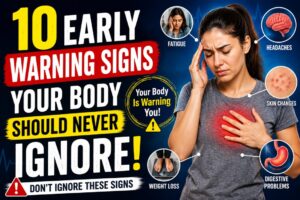
Body Warning Signs: What Your Body Is Trying to Tell You
Your body is a complex system that rarely malfunctions without giving notice. Body warning signs are physical or mental changes that deviate from your normal state. These can range from mild discomfort to severe pain, but all warrant investigation. Common examples include persistent headaches, unusual fatigue, or changes in bowel habits. These signs often reflect underlying imbalances—such as hormonal shifts, nutritional deficiencies, or early-stage infections—that, if addressed early, can prevent serious complications.
Pay close attention to changes that last more than a few days or worsen over time. For instance, a cough that lingers beyond two weeks or a skin rash that doesn’t fade could signal anything from allergies to autoimmune disorders. The key is consistency: one-off symptoms may be harmless, but recurring or progressive ones are red flags.
Unusual Body Symptoms That Demand Attention
- Persistent or worsening pain in any area of the body
- Unexplained lumps or swelling
- Changes in skin color, texture, or appearance (e.g., yellowing, dark spots)
- Difficulty swallowing or persistent hoarseness
- Sudden changes in vision, hearing, or balance
These unusual body symptoms may seem minor at first, but they can indicate serious conditions like thyroid disorders, neurological issues, or even cancer. Never dismiss them as “just stress” or “getting older” without proper evaluation.
Early Signs of Illness: Catching Problems Before They Escalate
Many chronic and acute diseases begin with subtle early signs of illness that are easy to overlook. For example, type 2 diabetes often starts with increased thirst, frequent urination, and blurred vision—symptoms many people attribute to aging or dehydration. Similarly, heart disease may first present as mild chest discomfort during physical activity, which is often mistaken for indigestion.
Other early indicators include:
- Persistent fatigue despite adequate rest
- Unexplained mood swings or depression
- Frequent infections or slow-healing wounds
- Changes in appetite or taste preferences
These signs are your body’s way of sounding an alarm. Catching them early allows for timely intervention, lifestyle adjustments, and medical treatment that can halt or reverse disease progression.
Signs of Poor Health: When Your Body Is Under Stress
Signs of poor health often manifest gradually and affect multiple systems. They may not point to one specific disease but instead indicate that your overall health is declining. Common examples include chronic fatigue, poor sleep quality, frequent headaches, and digestive issues. These symptoms can stem from poor diet, lack of exercise, chronic stress, or untreated medical conditions.
Other red flags include:
- Brittle nails and dry, thinning hair
- Frequent colds or infections
- Brain fog or difficulty concentrating
- Joint stiffness or muscle weakness
If you notice several of these signs together, it’s a strong indication that your body is under significant stress. Addressing the root causes—such as improving nutrition, managing stress, or treating underlying conditions—can restore balance and vitality.
Common Health Warning Signs Everyone Should Know
Certain common health warning signs are widely recognized but still frequently ignored. These include chest pain, shortness of breath, severe headaches, and unexplained weight changes. While not every instance is life-threatening, these symptoms should never be brushed aside without evaluation.
Here are some of the most critical warning signs:
- Chest pain or pressure: Could indicate heart attack, angina, or pulmonary issues.
- Shortness of breath: May signal heart failure, asthma, or blood clots in the lungs.
- Severe or sudden headache: Especially if different from usual headaches, could point to stroke or aneurysm.
- Unexplained weight loss: Losing 5% or more of body weight in 6–12 months without trying may indicate cancer, thyroid problems, or digestive disorders.
These symptoms require immediate medical attention, especially if they come on suddenly or are accompanied by other alarming signs like dizziness, nausea, or confusion.
Symptoms of Serious Disease: When to Take Action
Some symptoms of serious disease are unmistakable and demand urgent care. These include loss of consciousness, severe chest pain radiating to the arm or jaw, sudden weakness on one side of the body, or difficulty speaking. These are classic signs of stroke or heart attack and require emergency intervention.
Other serious symptoms include:
- High fever with stiff neck and sensitivity to light (possible meningitis)
- Severe abdominal pain with vomiting (could indicate appendicitis or pancreatitis)
- Blood in urine, stool, or vomit
- Persistent coughing up of blood
Even if symptoms seem to improve, they should be evaluated by a healthcare professional. Early diagnosis of conditions like cancer, autoimmune diseases, or neurological disorders significantly improves treatment outcomes.
Hidden Health Problems: Symptoms That Are Easy to Miss
Not all health issues announce themselves loudly. Hidden health problems symptoms are often vague, intermittent, or mistaken for normal aging or stress. For example, vitamin B12 deficiency can cause fatigue, memory lapses, and tingling in the hands and feet—symptoms easily attributed to aging or lack of sleep.
Other subtle signs include:
- Night sweats or unexplained chills
- Persistent dry mouth or excessive thirst
- Changes in menstrual cycles or libido
- Frequent nighttime urination
These symptoms may point to conditions like thyroid dysfunction, diabetes, hormonal imbalances, or kidney disease. Regular check-ups and blood tests can help uncover these hidden issues before they escalate.
Fatigue Warning Signs: When Tiredness Is More Than Just Exhaustion
Feeling tired after a long day is normal, but fatigue warning signs go beyond typical exhaustion. Chronic fatigue that doesn’t improve with rest may indicate anemia, sleep apnea, depression, or chronic fatigue syndrome. It can also be a symptom of heart disease, especially in women.
Pay attention if you experience:
- Extreme tiredness lasting more than two weeks
- Difficulty getting out of bed despite adequate sleep
- Low energy that interferes with daily activities
- Fatigue accompanied by dizziness or shortness of breath
This type of fatigue is your body’s way of signaling that something deeper is wrong. A thorough medical evaluation can identify the cause and guide appropriate treatment.
Sudden Weight Loss: Causes You Shouldn’t Ignore
Sudden weight loss causes can range from benign to life-threatening. Losing weight without trying—especially more than 10 pounds in a short period—should never be ignored. While it might seem like a welcome change, it can signal serious conditions such as:
- Cancer (especially pancreatic, stomach, or lung)
- Hyperthyroidism (overactive thyroid)
- Type 1 diabetes
- Inflammatory bowel disease (IBD)
- Chronic infections like tuberculosis
Other contributing factors include depression, anxiety, or gastrointestinal disorders. If you experience unexplained weight loss, consult a doctor promptly to rule out serious underlying conditions.
Frequent Headaches: Reasons Beyond Stress
While tension headaches are common, frequent headaches reasons can point to more serious issues. Migraines, cluster headaches, or headaches that worsen over time may indicate neurological problems, high blood pressure, or even brain tumors.
Red flags include:
- Headaches that wake you from sleep
- Headaches with fever, stiff neck, or vision changes
- Sudden, severe “thunderclap” headache
- Headaches following a head injury
Keeping a headache diary—tracking frequency, duration, triggers, and associated symptoms—can help your doctor make an accurate diagnosis and recommend effective treatment.
Chest Pain: Warning Signs That Could Save Your Life
Chest pain warning signs should always be taken seriously. While it can result from muscle strain or acid reflux, it may also signal a heart attack, especially if accompanied by:
- Pain radiating to the arm, neck, jaw, or back
- Shortness of breath
- Nausea or sweating
- Dizziness or fainting
Women, in particular, may experience atypical symptoms like fatigue, indigestion, or back pain during a heart attack. Never hesitate to call emergency services if you suspect cardiac issues.
Digestive Problems: Symptoms That May Signal Bigger Issues
Digestive problems symptoms like bloating, gas, or occasional heartburn are common. However, persistent or severe issues may indicate conditions such as irritable bowel syndrome (IBS), celiac disease, or inflammatory bowel disease (IBD).
Warning signs include:
- Chronic diarrhea or constipation
- Blood in stool
- Unexplained weight loss
- Severe abdominal pain
These symptoms warrant medical evaluation, especially if they interfere with daily life or worsen over time.
Signs of Vitamin Deficiency: Silent but Serious
Signs of vitamin deficiency often develop slowly and are easily overlooked. For example, vitamin D deficiency can cause bone pain and muscle weakness, while iron deficiency leads to fatigue, pale skin, and brittle nails.
Common deficiency symptoms include:
- Frequent infections (vitamin C, D, or zinc deficiency)
- Hair loss or dry skin (biotin, iron, or vitamin A deficiency)
- Numbness or tingling (B12 deficiency)
- Poor night vision (vitamin A deficiency)
A balanced diet and regular blood tests can help prevent and correct deficiencies before they impact long-term health.
Symptoms of Dehydration: More Than Just Thirst
Symptoms of dehydration go beyond feeling thirsty. Mild dehydration can cause dry mouth, dark urine, and fatigue, while severe cases may lead to dizziness, confusion, or rapid heartbeat.
At-risk groups include older adults, athletes, and people with chronic illnesses. Signs to watch for:
- Infrequent urination or very dark urine
- Dry skin that doesn’t bounce back when pinched
- Headaches or lightheadedness
- Low blood pressure or fainting
Rehydrate with water and electrolyte solutions, and seek medical help if symptoms are severe.
Weak Immune System: Signs Your Defenses Are Down
Weak immune system signs include frequent infections, slow healing, and prolonged illness. You may catch colds more often, get mouth sores, or suffer from recurrent urinary tract infections.
Other indicators:
- Chronic fatigue
- Digestive issues like diarrhea
- Autoimmune symptoms (rashes, joint pain)
Lifestyle factors like poor sleep, stress, and malnutrition can weaken immunity. Addressing these can boost your body’s defenses.
Health Problems: Recognizing Early Symptoms
Many health problems early symptoms are subtle but significant. For example, early-stage kidney disease may only cause fatigue and swelling in the feet. Early lung cancer might present as a persistent cough.
Being proactive with annual check-ups, screenings, and symptom tracking can catch diseases before they become advanced.
Warning Signs Your Body Gives: Listen While You Can
Your body is always talking—don’t tune it out. Warning signs your body gives are its way of asking for help. Whether it’s a change in bowel habits, unexplained pain, or sudden mood shifts, these signals are worth investigating.
Trust your instincts. If something feels off, don’t wait. Early detection saves lives.
When to See a Doctor for Symptoms
Knowing when to see a doctor for symptoms is crucial. Seek immediate care for:
- Chest pain, difficulty breathing, or signs of stroke
- Severe abdominal pain or vomiting blood
- High fever with rash or confusion
- Unexplained weight loss or persistent fatigue
For less urgent symptoms, schedule a visit if they last more than a week, worsen, or interfere with daily life.
Key Takeaways
- Your body gives early warning signs of disease—listen to them.
- Unexplained fatigue, weight loss, pain, or changes in bodily functions should never be ignored.
- Common symptoms like headaches, digestive issues, or chest pain may signal serious conditions.
- Hidden health problems often present with vague symptoms—regular check-ups are essential.
- When in doubt, see a doctor. Early intervention improves outcomes.
FAQ
What are the most common early warning signs of serious illness?
Common early signs include unexplained weight loss, persistent fatigue, chest pain, frequent headaches, and changes in bowel or bladder habits. These symptoms may indicate conditions ranging from infections to cancer and should be evaluated by a healthcare provider.
When should I go to the ER for symptoms?
Go to the emergency room immediately if you experience chest pain with shortness of breath, sudden severe headache, loss of consciousness, difficulty speaking, or signs of stroke (e.g., facial drooping, arm weakness). These could indicate life-threatening conditions.
Can stress cause physical symptoms that mimic disease?
Yes, stress can cause headaches, fatigue, digestive issues, and even chest pain. However, it’s important not to self-diagnose. Always rule out medical causes with a doctor before attributing symptoms solely to stress.